
Mercedes & BMW A/C Repair in Dubai — Fast Diagnosis & Cooling Fix
Specialist Mercedes & BMW A/C repair in Dubai. Accurate diagnosis, leak finding, compressor/condenser repairs, and cold air restored — without unnecessary parts replacement.

Quick A/C Diagnosis (Same Day)
Weak cooling, hot air, gas leak, noisy compressor, or “A/C off” warning? We run a full A/C system test and tell you the real cause before replacing parts.
Common Mercedes & BMW A/C Problems We Fix
Refrigerant leaks, compressor failure, condenser damage, expansion valve issues, blower faults, cooling fan problems, and sensor-related errors — solved with proper diagnostics, not guessing.

Mercedes & BMW A/C Repair & Climate Service in Dubai
Fast, accurate Mercedes A/C repair and BMW A/C repair in Dubai — weak cooling, no cold air, bad smell, blower/fan faults, pressure issues and climate-control errors (including AMG / M Performance setups).
خدمة سريعة ودقيقة لـتكييف مرسيدس وتكييف بي إم دبليو في دبي — ضعف التبريد أو عدم وجود هواء بارد، روائح، أعطال المروحة، مشاكل الضغط وأخطاء نظام التحكم بالمناخ (بما في ذلك AMG وM Performance).No cold air / weak cooling
We verify pressures, refrigerant level, compressor engagement and condenser efficiency to find why A/C is weak in Dubai heat.
نفحص ضغط الغاز، مستوى الفريون، عمل الضاغط وكفاءة المكثف لمعرفة سبب ضعف التبريد في حرارة دبي.
Leaks, smell & moisture
Leak detection, evaporator checks, and cabin filter / evaporator cleaning when there is bad smell or fogging on glass.
كشف التسرب، فحص المبخّر وتنظيف فلتر المقصورة والمبخّر عند وجود روائح أو ضباب على الزجاج.
Electronics & climate errors
Diagnosis for A/C control units, flap motors, sensors and blower faults using Mercedes & BMW diagnostic tools.
تشخيص وحدة تحكم المكيّف، محركات البوابات، الحساسات وأعطال مروحة المقصورة بأجهزة فحص مرسيدس وبي إم دبليو.

Dubai Heat Ready Repair (Cooling You Can Trust)
Our repairs are done for UAE heat: stable cooling in traffic, correct gas quantity, correct oil, and pressure-based testing to keep the system safe and efficient.
What You Get (Clear Steps)
1) Inspection & pressure test → 2) Leak detection → 3) Repair/replace only what’s needed → 4) Vacuum + refill + performance test.
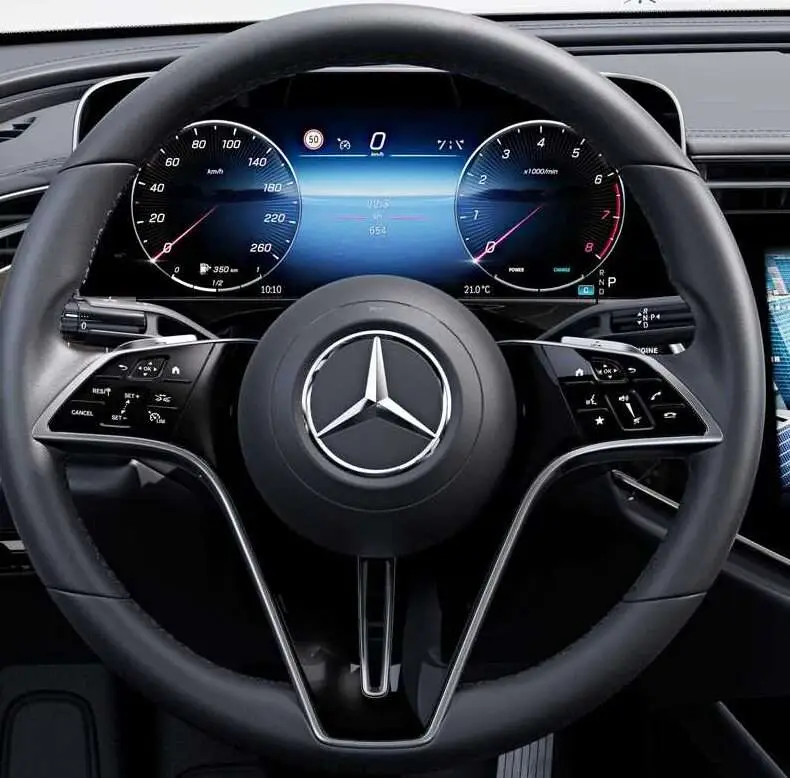

Mercedes & BMW A/C Repair in Dubai
Looking for Mercedes BMW AC Repair Dubai because cooling is weak in traffic, you see “A/C OFF”, or you hear compressor noise? MBCOD provides professional diagnosis, leak testing, and correct repair decisions for UAE heat — before wasting money on guesswork parts.
Read More (A/C diagnosis in Dubai heat)▾
In Dubai, many owners notice A/C is cold on the highway but warm in traffic. This is usually related to airflow, condenser heat soak, cooling fan performance, refrigerant charge quality, or pressure control sensors. Our approach starts with live pressure readings, fan activation checks, temperature delta across the system, and electrical verification for compressor control.
If your car shows “A/C OFF”, it can be protection mode triggered by abnormal pressure, fan control faults, sensor issues, or overheating conditions. For leak cases, we don’t just refill gas — we locate the leak and recommend the correct fix (O-rings, condenser, pipes, or in some cases evaporator-related work). This prevents repeat refills and protects the compressor.
For faster help, send model/year, exact symptom (weak cooling, noise, A/C OFF warning), and your location. We’ll guide you with a clear plan.
Mercedes-Benz & BMW FAQ (Dubai) — Top 50 Owner Concerns
Quick, real-world answers for common Mercedes-Benz and BMW problems in UAE heat and traffic. If you want a fast diagnosis: send your VIN (17 digits), model/year, and your exact symptoms.
+1) Why did I get many warning lights right after a battery change?
On Mercedes and BMW, low voltage during battery replacement can trigger a “cascade” of warnings (SRS/ABS/steering/gearbox). Most of the time the modules are not “broken” — they lost correct initialization. A proper diagnostic scan, battery test, and correct reset/adaptation usually clears it. BMW often needs battery registration; Mercedes may show auxiliary battery or steering/ISM messages. Don’t replace modules blindly. If the car still starts, avoid repeated jump-starting and book a specialist scan to stabilize voltage and clear stored faults safely.
+2) My Mercedes/BMW battery drains overnight. What are the common causes?
Battery drain is usually a “sleep” problem: a module stays awake (radio/telematics, comfort access, alarm, door handle, trunk module, aftermarket tracker, or water-damaged wiring). In Dubai, heat and short trips also weaken batteries faster. The right fix is a parasitic draw test and sleep-state diagnosis — not guessing parts. BMW issues can involve IBS sensor/registration; Mercedes can involve SAM, auxiliary battery, or CAN wake-ups. Bring the car for a controlled test, and avoid random fuse pulling (it can create more faults).
+3) The car won’t start, but lights turn on. Is it starter, battery, or ECU?
This symptom can be battery voltage drop, a starter/relay issue, immobilizer authorization, steering lock/ISM faults, or module communication loss. A quick scan plus live voltage data tells the truth fast. Mercedes may show “Start Error” or steering authorization faults; BMW may show CAS/FEM/BDC related messages. Many cars fail to crank because the system blocks starting for safety when it detects low voltage or missing communication. Don’t keep pushing the start button repeatedly. Stabilize power, scan for authorization faults, and check starter command in live data before replacing parts.
+4) I got “Transmission Malfunction / Drivetrain” and the car went limp. What should I do?
Limp mode is the car protecting itself. Causes range from low voltage, sensor faults, mechatronic/valve body issues, turbo/boost faults, to overheating. BMW often shows “Drivetrain malfunction”; Mercedes may show “Transmission malfunction” or limited gear. First: stop aggressive driving, avoid hard acceleration, and check for overheating. A full scan is needed because the gearbox warning can be “secondary” from engine or communication faults. With the right diagnostic, we confirm if it’s adaptation/software, solenoid/hydraulic, or an engine fault causing torque limitation — then repair the root cause.
+5) Rough idle or misfire — is it coils, injectors, or something serious?
Most misfires are ignition coils/spark plugs, injector issues, vacuum leaks, or oil contamination on plugs from gasket leaks. But on Mercedes/BMW, misfire can also be from low fuel pressure, timing issues, or turbo/charge-air leaks. The safest approach is a scan + live misfire counters + fuel trims and cylinder tests. Don’t keep driving with a heavy misfire — it can damage catalytic converters. If the check engine light is flashing, reduce driving immediately. We identify the misfiring cylinder(s), test coils/injectors properly, and fix it with OEM-quality parts and correct coding where needed.
+6) Check engine light is ON but the car feels normal. Should I worry?
Sometimes it’s minor (EVAP leak, sensor drift), but sometimes it’s early warning of a bigger issue (coolant thermostat, oxygen/NOx sensor, boost leak). Dubai heat can amplify cooling and sensor problems. The key is reading codes and freeze-frame data — that shows what happened when the light triggered. Ignoring it can turn a small repair into a big one. We scan, verify if the code is “pending” or “confirmed,” check live data, and advise the safest next step. If you’re planning a long drive or buying/selling the car, fix it before it surprises you.
+7) Coolant is dropping or overheating in traffic. What’s the typical cause in UAE?
Common causes are coolant leaks (hoses, radiator, expansion tank), water pump/thermostat faults, fan control issues, or air trapped after poor refill. In UAE traffic, a weak fan or partially blocked radiator shows up quickly. Don’t top up with random water; use correct coolant mix and inspect for leaks. Overheating can damage the engine fast. We pressure-test the system, check pump operation, fan commands, thermostat values, and verify no combustion gases in coolant. Then we fix the root cause and bleed the system correctly to keep it stable under Dubai heat.
+8) I smell burning oil or see leaks under the car. Is it dangerous?
Oil leaks are common on both Mercedes and BMW, often from valve cover gasket, oil filter housing gasket, oil cooler seals, or oil pan. The danger is when oil drips onto hot exhaust parts — it can create smoke, smell, and in rare cases fire risk. Also low oil level can damage the engine. The right repair starts with cleaning and confirming the exact leak source, not guessing. We inspect the leak path, check crankcase ventilation, and repair with OEM seals and correct torque procedure. After repair, we re-check to confirm it stays dry in real driving conditions.
+9) Air suspension is sagging or one side is lower. What usually fails?
Typical causes are a leaking air strut/bag, valve block leak, compressor weakness, or height sensor issues. In Dubai heat, rubber and seals age faster, and small leaks become big leaks. Don’t keep forcing the compressor — it can burn out. We test leak points, measure compressor performance, check fill times, and confirm if the problem is mechanical leak or control/calibration. Often you can fix one corner leak and save the compressor if done early. A professional diagnosis helps avoid replacing the wrong expensive parts.
+10) Steering locked / steering malfunction. Why does it happen?
Steering lock problems can be electrical, authorization-related, or low-voltage related. Mercedes may show steering lock/ISM authorization faults; BMW may have EPS/BDC related faults. Sometimes a weak battery triggers it; sometimes the steering module needs coding/adaptation; sometimes water damage or wiring issues are involved. First step: stabilize voltage and do a full scan. Avoid repeated jump starts and forcing the steering wheel hard. We check authorization status, steering module communication, and then apply the correct coding or repair route. Many cases can be recovered without replacing major modules when handled correctly.
+11) ABS/DSC warning came on. Is it safe to drive?
You can often drive carefully, but braking stability systems may be reduced — especially risky in emergency braking. Common causes: wheel speed sensor, tone ring, wiring, low voltage, or hydraulic unit issues. BMW shows DSC/ABS warnings; Mercedes shows ABS/ESP warnings. We scan for exact fault codes and test wheel speed signals while driving. Many “ABS” warnings are simple sensor repairs, but ignoring them can hide a more serious brake control issue. If you feel unusual braking, long pedal travel, or grinding, stop driving and inspect immediately.
+12) Airbag/SRS light is on. Can I ignore it?
Don’t ignore SRS. It means the system may not protect you correctly in an accident. Causes include seat occupancy sensor, steering clock spring, impact sensor, low voltage events, or connector issues under seats (common after seat movement or cleaning). We read SRS codes, verify live status, and repair the root cause — then clear the fault properly. Simply clearing without repair often makes it come back. If the car was in an accident or had water damage, the diagnosis must be extra careful. Safety systems deserve specialist attention.
+13) Keyless-Go / Comfort Access stopped working. What’s the usual reason?
Common reasons are weak key battery, door handle sensor issues, antenna/receiver faults, water intrusion, or module sleep problems. On some cars, a failing comfort access handle can also cause battery drain. We test the key signal, check antenna modules, and scan for body control errors (BDC/FEM on BMW, relevant body modules on Mercedes). Don’t keep changing random parts — many cases are fixed by pinpoint testing and correct coding. If you have aftermarket alarm/remote start, it can interfere; we can confirm interference quickly with proper diagnostic tools.
+14) MBUX / iDrive screen black or constantly rebooting. What can I do?
Screen reboots can be software corruption, low voltage, MOST/fiber communication issues, or a failing head unit. Sometimes it’s caused by aftermarket coding or poor battery condition. The correct fix is checking fault memory, software level, and communication integrity — not only replacing the screen. We verify power supply, check for module drop-outs, and apply safe updates/coding when required. If the car has water damage, we inspect connectors and fiber loops. Many problems are recoverable with proper programming and stabilization; early diagnosis saves you from costly “replace everything” advice.
+15) CarPlay/Android Auto not available. Is it coding, hardware, or subscription?
It depends on model and region. Some cars need activation/coding, some need correct USB hub/hardware, and some require software compatibility. On Mercedes/BMW, wrong software level or incorrect settings can hide the feature. We first confirm your exact system type, then check whether activation is possible for your unit. We keep it safe: no risky hacks that break updates. If you only want reliability, we choose stable methods and verify full functionality (steering controls, microphone, maps, sound). Send VIN and system version and we can tell you the correct path quickly.
+16) Radar/ADAS disabled after bumper repair. Why?
After bumper painting or a small collision, the radar/camera angle can shift slightly. The car then disables ADAS features for safety. Also, missing brackets, wrong sensor mounting, or poor wiring repairs trigger faults. We scan for ADAS codes, confirm sensor communication, and perform calibration if needed. Calibration must be done with correct targets/procedure — guessing is dangerous. In Dubai, many cars get minor cosmetic repairs; ADAS faults are very common after that. The goal is to restore correct alignment and clear faults so systems like Distronic/ACC and lane assist work safely again.
+17) Parking sensors keep beeping or show “sensor malfunction.”
Typical causes: a failed sensor, water in connectors, bumper repaint damage, or wiring issues. Sometimes one faulty sensor can affect the whole system. We scan and identify the exact sensor position, then test signal response. If you washed the car heavily or had rain/water exposure, moisture can trigger it. We also check if aftermarket sensors or repaint layers are interfering. The fastest fix is targeted — replace or repair the correct sensor/wiring, not all sensors. We can also verify if the problem is the control module or a simple sensor fault.
+18) A/C is not cold in traffic but cold while driving. What does it mean?
This often indicates airflow or cooling efficiency issues: weak radiator/condenser fan, clogged condenser, low refrigerant, or failing compressor control. Dubai heat makes this very noticeable. We check high/low pressures, fan commands, condenser temperature drop, and cabin vent temperature under load. If the fan isn’t pulling enough air at idle, A/C performance collapses in traffic. Don’t just “top up gas” repeatedly — leaks must be found. A proper A/C diagnosis saves time and money and restores strong cooling for real UAE conditions, not only on a cool morning.
+19) A/C smells bad. Is it dangerous?
Bad A/C smell is usually mold/bacteria buildup on the evaporator or a clogged cabin filter, especially with humidity and short trips. It’s not “engine dangerous,” but it’s unhealthy and unpleasant. The fix is professional A/C cleaning, cabin filter replacement, and checking for water drain blockage (evaporator drain). If the smell is chemical or burnt, we also check compressor condition and refrigerant oil leaks. We aim for a clean, fresh cabin and stable cooling. Regular maintenance reduces recurrence, especially in Dubai where A/C runs almost all year.
+20) Heater is weak or not warm. What’s the likely cause?
Common causes include thermostat stuck open, coolant air pockets, heater valve issues, or coolant flow problems. In some models, electric auxiliary pumps and climate control calibration matter. We check engine operating temperature, coolant flow, heater core temperature difference, and climate flap operation. If the engine never reaches correct temperature, fuel consumption and wear also increase. A correct diagnostic prevents unnecessary part changes. Even though UAE is hot, heater performance can indicate cooling system health — so it’s worth fixing properly to keep the engine stable and avoid overheating problems later.
+21) Vibration at 80–120 km/h. Is it wheels or drivetrain?
It can be wheel balance, bent rims, tire defects, alignment, worn suspension bushings, driveshaft issues, or engine mounts. BMW and Mercedes are sensitive to tire condition and suspension wear. We start with the simplest checks (tires/rims/balance), then inspect control arms, bushings, and mounts. If vibration changes under braking, it may be brake discs; if it changes with acceleration, it may be drivetrain. A proper test drive with measurements prevents wasting money. Fixing vibration early protects tires, suspension, and steering components and restores the “premium smooth” feeling you expect.
+22) Brake squeal or judder. Do I need new discs?
Squeal can be pad material, glazing, wear sensors, or caliper issues. Judder often means disc thickness variation, but sometimes it’s suspension bushings amplifying vibration. We inspect pads/discs, check caliper slide function, measure disc runout, and confirm if the issue is braking system or chassis. Using cheap pads can create noise and poor feel. We recommend the correct pad/disc setup for your driving style and UAE conditions. If the steering shakes during braking, don’t ignore it — it can worsen and reduce braking confidence. A proper diagnosis ensures quiet, smooth, safe braking.
+23) Can you reset Service A/B or BMW service reminders correctly?
Yes — but it should be done properly after maintenance, not as a “hide the problem.” Mercedes service (A/B) and BMW CBS resets must match what was serviced (oil, brakes, filters, etc.). Incorrect resets can confuse future maintenance and resale. We can reset service items, update records where applicable, and advise the correct interval for Dubai conditions (heat and traffic). If the reminder keeps returning, it may indicate a real fault or incomplete service. We can check condition-based service counters and confirm everything is consistent, which helps trust when selling or doing inspections.
+24) BMW “Drivetrain malfunction” appears randomly. What causes it?
It can be many things: ignition misfire, boost leak, fuel pressure issues, sensor faults, gearbox protection, or low voltage events. BMW uses this message as a general warning when the system limits torque. The correct approach is scanning for codes and reading freeze-frame data — it reveals what triggered the torque reduction. We then verify with live data (boost, fuel pressure, misfire counters). If you continue driving hard, it can worsen. Often it’s a fixable issue early (coil, sensor, hose). A specialist diagnosis prevents “parts roulette” and gets you back to full performance safely.
+25) Turbo underboost/overboost codes — can it be fixed without replacing turbo?
Often yes. Many turbo faults come from charge-air leaks, boost control actuator issues, vacuum problems, sensors (MAP/boost), or stuck diverter valves. Replacing the turbo without testing is expensive and not always correct. We pressure-test the intake system, check actuator operation, examine sensor readings, and verify wastegate movement where applicable. UAE heat and dust can accelerate hose and seal aging. If the turbo itself is worn, we’ll show evidence (oil leak, shaft play, performance logs). The goal is accurate diagnosis first — then the most cost-effective and reliable repair route.
+26) Timing chain noise — is it urgent on Mercedes/BMW?
Timing-related noises should be taken seriously. Some engines have known timing chain or tensioner wear patterns. Early signs include rattling at cold start, rough running, or timing-related fault codes. If a chain jumps, engine damage can be severe. The right step is inspection: listen at cold start, check timing values via diagnostics, inspect oil condition, and evaluate engine-specific risks. We’ll advise whether it’s monitoring, tensioner service, or a full timing job. Don’t rely on “additive fixes.” A correct repair plan protects your engine and avoids catastrophic failure.
+27) What are symptoms of a failing fuel pump or fuel pressure issue?
Common symptoms: long crank, hesitation under load, loss of power at high RPM, random misfires, and lean mixture codes. Sometimes it feels like “gearbox” but it’s actually fuel starvation. We test fuel pressure under load, check pump commands, and review live data. On modern Mercedes/BMW, high-pressure and low-pressure sides both matter, and sensor accuracy is critical. Don’t ignore it — running lean can damage engine components. A proper diagnosis identifies whether it’s the pump, filter, relay, pressure regulator, or sensor. Then we fix only what is needed, reliably.
+28) AdBlue / SCR warning says “No start in XXX km.” What should I do?
That message must be handled quickly. AdBlue/SCR issues can be NOx sensors, pump/heater faults, injector issues, wiring, or software problems. Simply topping up AdBlue sometimes helps, but if there’s a fault, the countdown can continue. We scan the SCR system, check sensor values, and confirm the real failing component. Fixing early prevents the car from entering a no-start lockout. UAE heat can stress SCR components. The safe approach is accurate diagnostics and proper repair/coding — not deleting emissions systems. We keep it legal and reliable, and restore normal operation.
+29) DPF warning (diesel). Can I fix it by driving fast?
Sometimes a proper regeneration drive helps, but only if the system is healthy and the soot load isn’t too high. If a sensor or EGR fault exists, regeneration may fail repeatedly. Short trips and slow traffic increase DPF issues. We check soot load, differential pressure sensor readings, exhaust temperatures, and related faults. Then we decide: forced regeneration, sensor repair, EGR fix, or deeper cleaning. Ignoring DPF warnings can lead to limp mode and expensive repairs. A specialist diagnosis makes sure you don’t waste time “driving fast” when the real issue is a sensor or control fault.
+30) NOx sensor faults keep returning. Why?
NOx faults can be true sensor failure, wiring/connectors, SCR dosing problems, or software calibration issues. Replacing the sensor without verifying the whole SCR system can lead to repeat faults. We check live NOx readings, heater circuits, AdBlue dosing operation, and related temperature sensors. If the system is out of range, it will keep triggering faults. UAE conditions can stress these components, especially in stop-go traffic. The goal is to repair the cause and confirm stability with a re-check drive cycle. A correct fix protects performance, fuel economy, and avoids future “no-start countdown” warnings.
+31) EGR issues — what do they cause and how do you diagnose?
EGR faults can cause rough idle, smoke, poor fuel economy, and limp mode. Sometimes it triggers DPF problems too. Diagnosis requires reading fault codes, checking EGR commanded vs actual values, and inspecting for carbon buildup or actuator failure. We also confirm that related sensors (MAF/MAP) and boost system are correct. Cleaning alone isn’t always enough if the actuator is failing. A professional diagnosis avoids repeated “cleaning” that doesn’t solve the real cause. The goal is reliable drivability and stable emissions performance without constant warning lights.
+32) Gearbox jerks when shifting. Is it software, adaptation, or mechanical?
It can be adaptation drift, worn fluid, mechatronic/solenoid issues, torque converter problems, or engine torque control faults. Modern transmissions are smart — they react to engine and sensor inputs. We scan gearbox and engine together, check adaptation values, temperature behavior, and fault memory. Sometimes a correct service (fluid/filter) and adaptation reset helps; sometimes there’s a mechanical issue that needs deeper work. Don’t accept “it’s normal” if the jerk is new or strong. Proper diagnosis prevents bigger damage and keeps shifting smooth, especially in Dubai traffic where transmissions work hard.
+33) BMW mechatronic problems — what are the signs?
Signs include delayed engagement, harsh shifts, slipping, gearbox warning, or specific solenoid/hydraulic pressure codes. Sometimes it feels worse when hot. We diagnose using live pressure data (where available), fault memory, and road testing. The correct repair may be valve body work, solenoid service, sealing sleeves, or software/adaptation fixes depending on the transmission type. Replacing the whole gearbox is rarely the first step. With accurate diagnosis, many BMW gearbox issues are repairable without extreme cost. The priority is to stop it early before friction damage spreads.
+34) Mercedes 7G/9G adaptation — can it fix shifting issues?
Adaptation can help when shifting issues are caused by learned values being off due to low voltage events, poor servicing, or software mismatches. But it won’t fix worn clutches or mechanical damage. We first confirm transmission health: scan for pressure/solenoid faults, check fluid condition, and verify temperatures. If it’s safe, we perform correct adaptation/reset procedures and road-learn. Many Mercedes cars feel significantly smoother after correct service and adaptation, especially in stop-go traffic. The key is doing it with the right tools and confirming results, not blindly resetting and hoping.
+35) Sunroof leak / water damage — why does it cause so many electrical faults?
Water travels through wiring and connectors, causing corrosion and short circuits in hidden places. A small leak can trigger many warnings: CAN communication faults, body module issues, window/lock problems, and random “no communication” codes. Dubai humidity changes and car washing can make it worse. The correct fix is locating the water source (drains, seals), drying and cleaning, then inspecting affected connectors/modules. Simply clearing codes won’t solve it. We diagnose moisture impact, repair wiring, and restore stable communication so the car sleeps properly and stops draining the battery. Early action saves expensive modules.
+36) I’m getting U-codes (communication errors). Are modules dead?
Not always. U-codes often appear when voltage drops, a network line (CAN/LIN) has wiring damage, or one module disrupts the bus. Many garages say “module dead” too quickly. We check network topology, test bus resistance, identify which module is pulling the network down, and verify power/ground integrity. Sometimes one water-damaged connector causes a chain reaction of U-codes. Correct diagnosis can recover the system without replacing multiple modules. Communication faults need a specialist approach — stable power, correct scan tool, and step-by-step isolation. It’s the difference between real repair and expensive guessing.
+37) “Stop vehicle, leave engine running” or fan running after shutdown. What causes it?
This can be cooling system control strategy, a sensor reading out of range, or a module detecting high temperature after driving. Sometimes it’s normal for short periods; sometimes it indicates thermostat/pump/fan control issues. We scan for cooling-related codes and check live coolant temperature, radiator outlet temp, and fan command. In Dubai heat, engines run hotter, so any weak cooling component shows up fast. If the fan runs for a long time or you see temperature spikes, don’t ignore it. Proper diagnosis prevents overheating damage and restores stable cooling behavior in real traffic.
+38) Mercedes “Auxiliary Battery Malfunction” — what does it mean?
Many Mercedes models have a small auxiliary battery that supports electronics and start-stop functions. When it weakens, you can get warnings and unpredictable electrical behavior. Sometimes the main battery is also weak, or the charging system needs testing. We test both batteries, check charging voltage, and scan for related control faults. Replacing the auxiliary battery alone may not solve the root cause if there’s a drain or charging issue. The good news: it’s usually manageable and not a “big module failure.” Correct testing prevents repeat warnings and stabilizes the car’s electronics, especially after battery changes.
+39) BMW battery registration — is it really necessary?
Yes, on many BMW models. The car’s charging strategy adapts to battery age/type using the IBS system. If you replace the battery without registration, the car may charge incorrectly, causing short battery life, warning messages, or start-stop issues. We confirm the correct battery type and capacity, register it properly, and run charging system checks. If your battery drains, registration alone won’t fix it — we still need to find the cause. But as a baseline, correct registration is important for reliability in UAE heat where batteries are stressed. It’s a simple step that prevents many avoidable electrical complaints.
+40) Mercedes SAM module issues — what are the symptoms?
SAM modules manage many body functions (lights, wipers, locks, power distribution). Symptoms can include random electrical failures, lights acting strange, no-start situations, or repeated fuse-related faults. Water ingress and corrosion are common triggers. We diagnose by checking power distribution, scanning for SAM-related fault codes, and inspecting connectors for moisture or burning. Many cases can be repaired or restored if caught early, rather than replacing the whole module. The key is accurate diagnosis and careful repair because SAM is central to vehicle operation. A specialist approach helps avoid unnecessary part replacement and repeated electrical headaches.
+41) BMW FRM/Footwell module problems — what happens?
FRM-related problems can cause lights not working, windows issues, indicators faults, or communication errors. Voltage spikes, low battery, or incorrect coding can trigger faults. We scan the car to confirm the module status, check coding consistency, and determine whether it needs repair, reprogramming, or replacement with correct synchronization. Many FRM issues are recoverable with specialist tools, not just parts replacement. The important thing is not to keep forcing electrical functions when the module is unstable. Fixing it properly restores reliable lighting and comfort functions and prevents repeated electrical errors in daily use.
+42) Mercedes ESL/ELV steering lock — do I have to replace it?
Not always. Some steering lock faults are voltage-related or authorization-related and can be recovered with correct diagnosis and programming. In other cases, the lock mechanism or internal electronics fail and require repair or replacement. The right approach is scanning for start authorization and steering lock codes, checking power/ground, and verifying communication with related modules. We aim to restore functionality safely and avoid unnecessary replacement. If replacement is needed, correct coding and synchronization are critical; otherwise the car may still not start. Early diagnosis gives you the best chance of recovery and the lowest total cost.
+43) ECU “cloning” vs buying a new ECU — which is better?
It depends on the situation. A new ECU is expensive and still requires programming, immobilizer synchronization, and coding. Cloning or data transfer can be a cost-effective option when compatible and done properly. The priority is reliability and correct matching to your vehicle. We evaluate ECU type, damage level, and whether recovery is possible. Many “ECU dead” claims are actually power, wiring, or network issues. So we confirm diagnosis first, then choose the safest route: repair, recovery, data transfer, or replacement. The goal is to get the car running correctly without unnecessary spending and without creating new communication problems.
+44) Can I install a used module from another car?
Sometimes yes, sometimes no — it depends on module type, security level, and whether it can be re-personalized and coded to your car. Many modules are locked to the original vehicle (VIN/immobilizer). Installing it without correct preparation can cause no-start or communication faults. We verify compatibility first, then advise the correct process: virginize, adapt, code, and synchronize where applicable. This is where specialist tools matter most. If done properly, used modules can save money; if done wrong, you may end up paying more due to repeated programming failures and extra faults. Always confirm before buying parts.
+45) After replacing a module, why does the car still show errors?
Because replacement is only half the job. Modern Mercedes and BMW modules usually require coding, calibration, and synchronization with other systems (immobilizer, gearbox, steering, SRS). If any step is missed, you can get persistent warnings or no-start. Some modules also require variant coding and software updates. We handle the full process: confirm module communication, apply correct coding, run adaptations, and verify with a road test. This prevents the common “I replaced it but it still doesn’t work” frustration. Always plan module replacement as a programming project — not just a bolt-on part.
+46) Is remote coding safe? Will it damage the car?
Remote coding can be safe if done with the right tools, stable power supply, correct procedures, and experienced hands. The biggest risks are low voltage during coding, wrong files, or skipping safety checks. We only recommend remote work when your case is suitable and you can provide stable power (battery support) and reliable connection. For complex failures, on-site diagnostics is safer. We keep changes controlled, reversible where possible, and we verify results. If you need coding for features, updates, or module matching, remote can save time — but it must be done professionally, not as a random “internet hack.”
+47) How long does a proper diagnostic take?
A quick scan can take minutes, but a proper diagnosis depends on the problem. Simple warnings may be solved in one visit; electrical drains and communication faults can require deeper testing and time. We focus on “accurate first” because it saves you money: we scan all modules, review freeze-frame data, test live signals, and verify the root cause before suggesting repairs. For complex issues (CAN faults, water damage, no-start), we may need structured steps and more time. The good news: you will get a clear plan, priorities, and options — not vague guesses. Send VIN and symptoms to speed it up.
+48) Is it safe to keep driving when a warning light appears?
It depends on the warning. Some are minor reminders; some are safety-critical (SRS/ABS/steering/engine overheating). If you have overheating, flashing check engine light, severe misfire, gearbox slipping, braking issues, or steering faults — stop driving and diagnose immediately. For less critical warnings, drive gently and book a scan soon. The safest approach is: don’t ignore new warnings, especially in Dubai heat where problems escalate faster. We provide “priority guidance” after scanning: what is safe to drive, what needs immediate attention, and what can be scheduled. This protects your car and your safety.
+49) What info should I send to get a fast, accurate answer?
For Mercedes and BMW diagnostics, the best info is: VIN (17 digits), model/year, mileage, exact message on cluster, and what happened before the fault (battery change, jump start, accident, washing, ECU flash). If you have fault codes, send them exactly (P/B/C/U codes and any manufacturer codes). Also share symptoms: no-start, limp mode, A/C weak, battery drain, etc. This lets us narrow the likely causes quickly and give you a realistic next step. Clear info saves time, reduces guessing, and helps you avoid unnecessary parts and repeated visits.
+50) Why choose a specialist instead of a general garage in Dubai?
Mercedes and BMW require deep diagnostic logic, correct coding/programming, and experience with CAN communication and module synchronization. Many garages can do basic service, but complex electrical or ECU faults often need dealer-level tools and real-case knowledge. A specialist avoids “replace the module” guessing, reduces wasted parts cost, and fixes the root cause. We focus on accurate diagnosis, safe programming, and repair plans that fit UAE conditions (heat, traffic, voltage sensitivity). The result is fewer comebacks, faster solutions, and a car that runs correctly — not just a temporary cleared warning light. If your problem is serious, specialist work saves money in the long run.